Trending

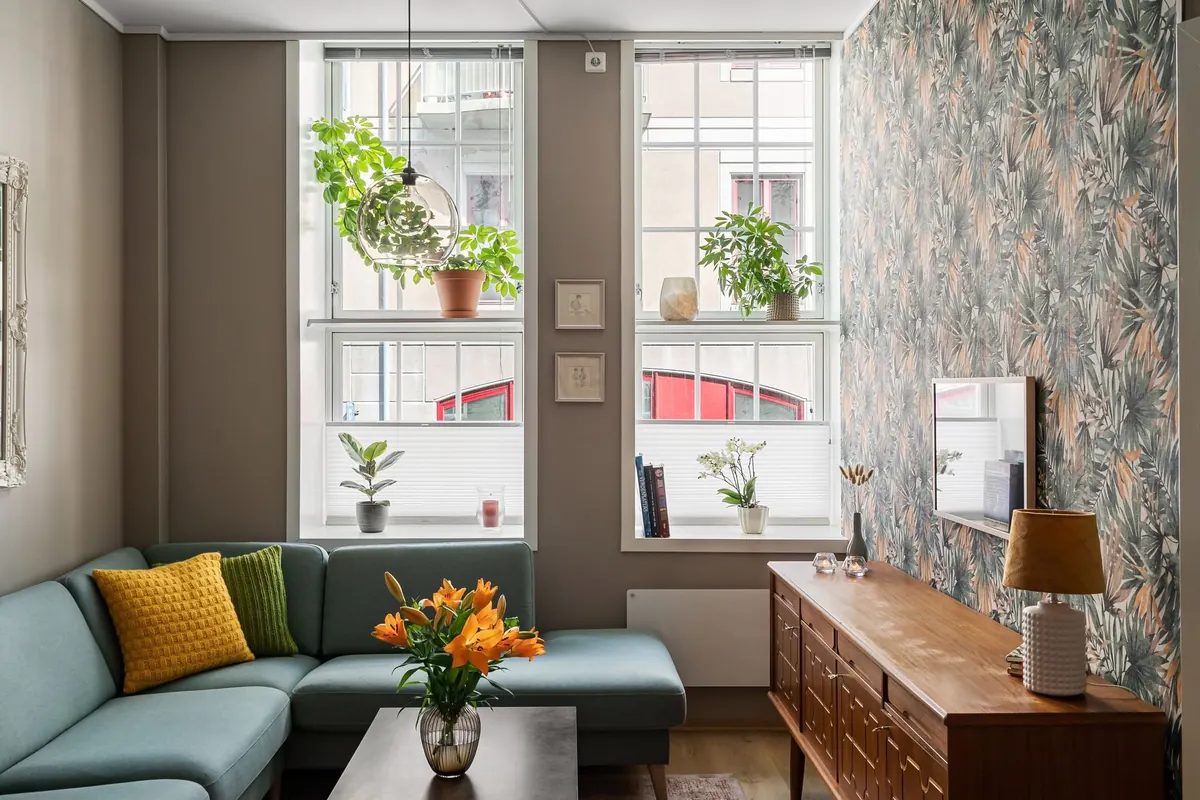
Rustic decor has a reputation problem. The photos suggest you need a log cabin, a barn door on rails, and an armful of dried flowers. You don't. Rustic is less a style than a set of habits: natural materials, muted color, visible texture, and a willingness to let things look used.
That last part trips people up. Most of us have been trained to replace anything with a scratch on it. Rustic asks the opposite. A water ring on a tabletop, a chip in a crock, a faded rug — those are the point, not a problem to fix.
Which makes this one of the cheapest, most forgiving styles to start with. Here's how to build it room by room, without buying anything you'll regret in six months.
Strip it down and rustic is honest materials, held together by warm light and a short palette. Four ingredients do almost all the work.
The fifth ingredient is restraint. One reclaimed beam, one heavy blanket, and three clay pots will beat a room full of rustic props every time. Leave one clean, modern element in place — a plain sofa, a bare white wall, simple glass — so the old things look chosen rather than themed.
Do a lap of your house before you open a single browser tab. Wooden spoons. Cutting boards. Stoneware mugs. Terracotta pots. Woven baskets. A wool blanket from the back of a closet. Old books with cloth spines. Gather everything into the room you're working on and set it where you can see it. Cost: nothing.
Then build one surface at a time. A shelf, a mantel, a countertop.
Buy last, and buy slowly. When you do shop, favor solid wood over veneer, unlacquered metal over polished, hand-thrown ceramics over printed patterns, and secondhand pieces that are already worn in. A scratched pine dresser isn't a compromise — it's the finish you'd otherwise pay to fake.
Start at the sofa and work outward. Most rustic living rooms are anchored by a single substantial wood piece — a coffee table, a console, a thick shelf. If a new one isn't in the budget, a secondhand table cleaned up with wax will do more for the room than any cushion.
Three usually does it: a rug, a throw, and a pair of cushions. Mix weights — jute underfoot, wool over the arm of the sofa, linen against the back. Keep to two or three textures per surface. Beyond that, the room starts to look like a craft fair instead of a home.
Three light sources per room is the old decorating rule, and it holds up. Swap cool white bulbs for warm ones, put the main lamp on a dimmer if you can, and let a corner stay a little dark. Candles are lovely; never leave them burning unattended, and use flameless ones inside a lantern if you have pets or small children.
What to skip: word art, matching furniture sets, and clusters of tiny objects. One substantial thing beats six small ones.
These rooms work best when rustic stays functional. Open shelving holding the dishes you actually use. Wooden spoons in a crock by the stove. Linen napkins in a basket. A thick bread board left on the counter. The rule is simple: if it's on display, you should be handling it often enough that it doesn't collect dust.
A solid wood table with visible grain is the best investment in this room. If the top is scratched, don't bury it under a plastic cloth — sand it and rub in a little oil, or leave the marks alone. Mismatched wooden chairs
Photo: Lisa Anna / Pexels